
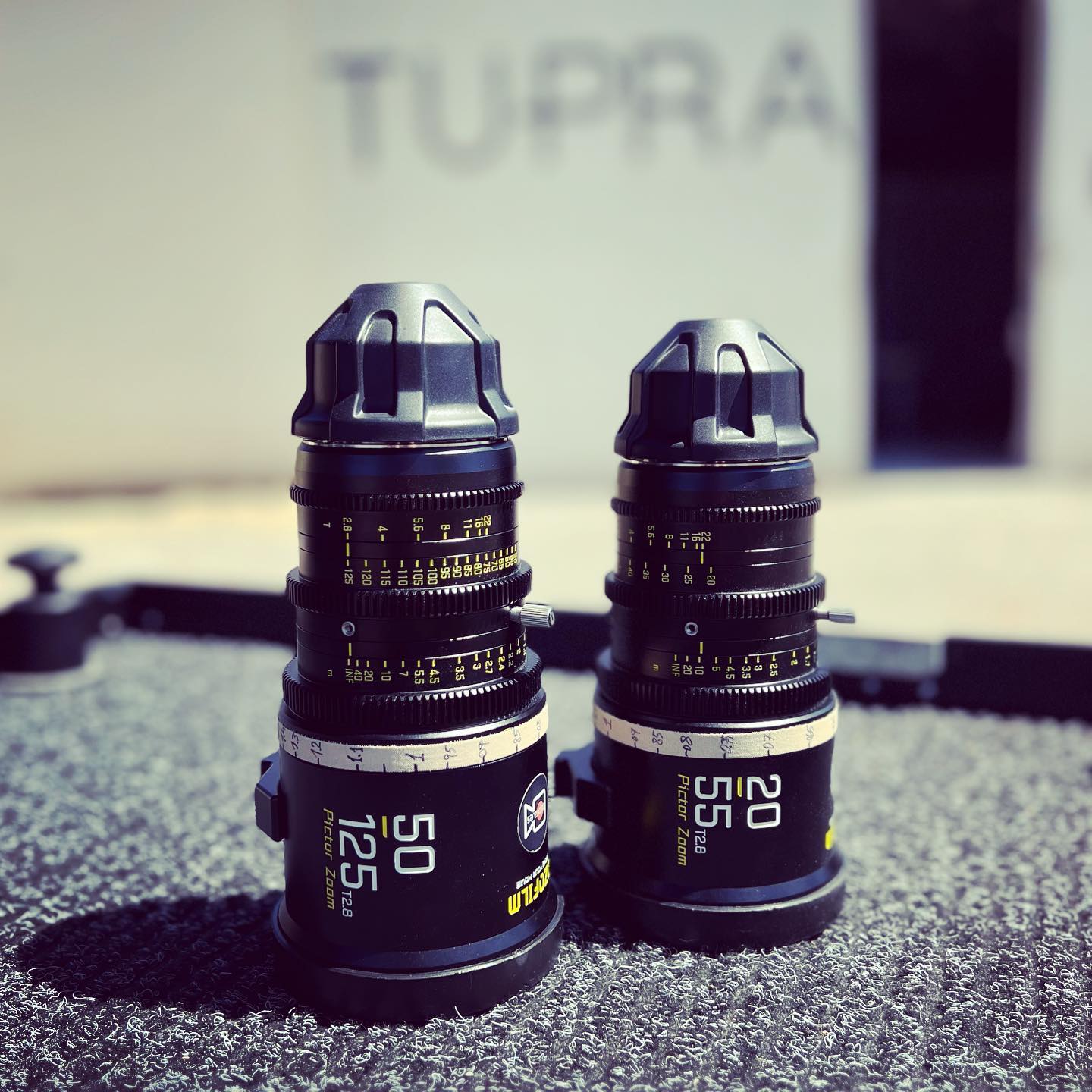
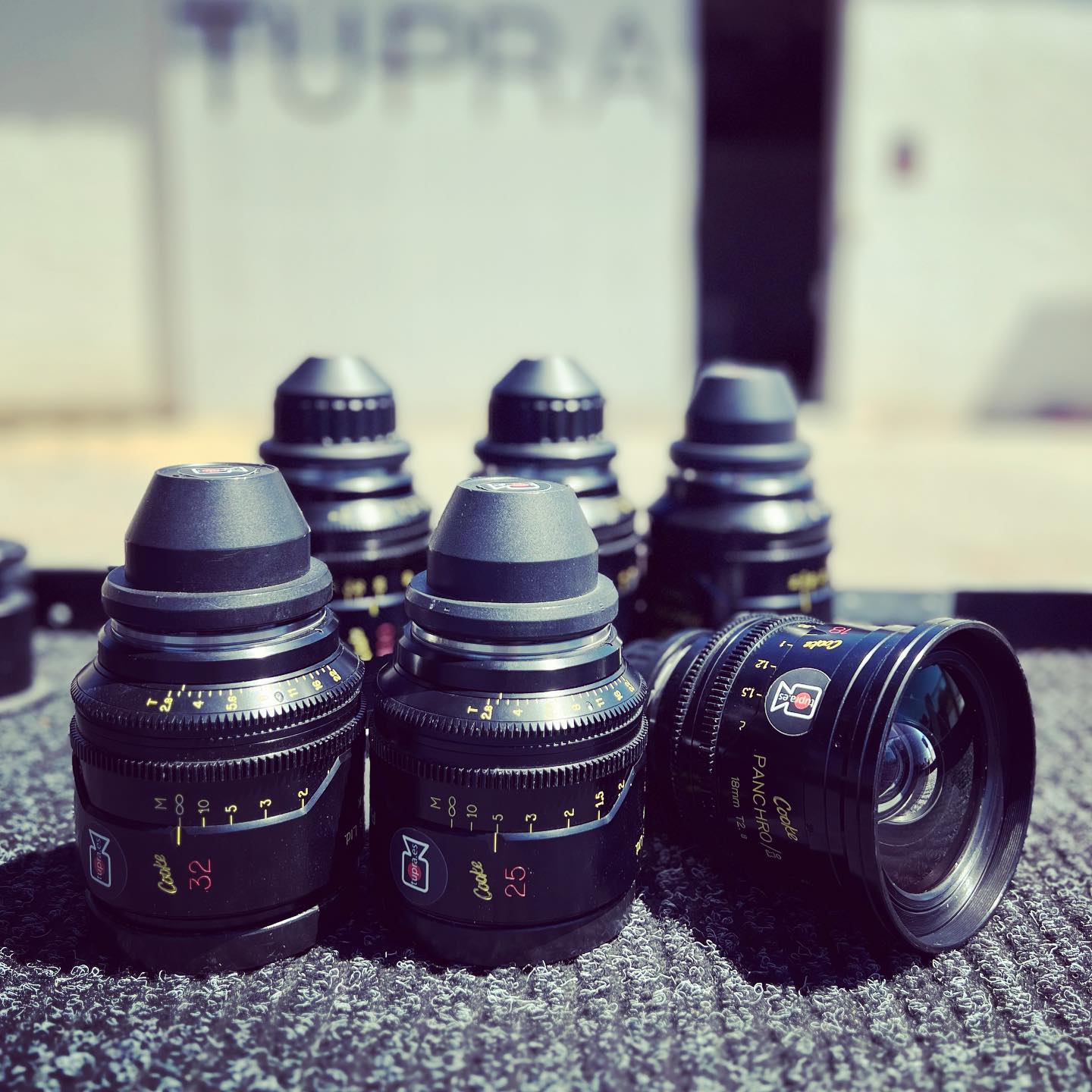
Primes and zooms: different ways to work
A prime has a fixed focal length. Changing framing may involve moving the camera or changing lenses. A zoom offers several focal lengths without a lens change, useful when access, time or the action limits camera movement.
Neither is automatically better. Contrast, flare, close focus, weight and the intended look also matter. A set of primes and a cinema zoom can complement one another within the same production.
What does parfocal mean?
A parfocal zoom is designed to hold focus as its focal length changes. That depends on correct lens adjustment and the camera–lens setup; it is something to verify before filming. It does not mean autofocus, and following a moving subject still requires focus work.
PL is a mount; format concerns coverage
PL describes the mechanical connection between lens and camera. It does not tell you which sensor area the lens covers: Super 35, full frame or another image area.
Coverage must suit the recording area actually selected. A lens that works in a cropped mode may vignette in a larger mode. Mount compatibility and image-circle coverage are separate checks.
Our Tokina 1.6× expander, PL to PL
TUPRA has the Tokina 1.6× PL–PL expander. With compatible lenses, it enlarges the image circle for a larger recording area. It also multiplies focal length: a 50 mm becomes 80 mm. Tokina specifies a light loss of approximately 1.3 stops.
This is an optical expander, not simply a mount adapter. Rear-element clearance and the manufacturer’s optical limits must be checked for each lens. Sharing a PL mount does not make every combination compatible.
Choose the package around the shot
Discuss lenses, camera, support and crew together. A large zoom may change support and balance requirements; a particular look may favour another lens set. The complete combination matters more than a list of specifications.
Talk to TUPRA about lenses, camera equipment and local crew for your Ibiza or Balearic shoot. The package can be planned around the images you want to make.