
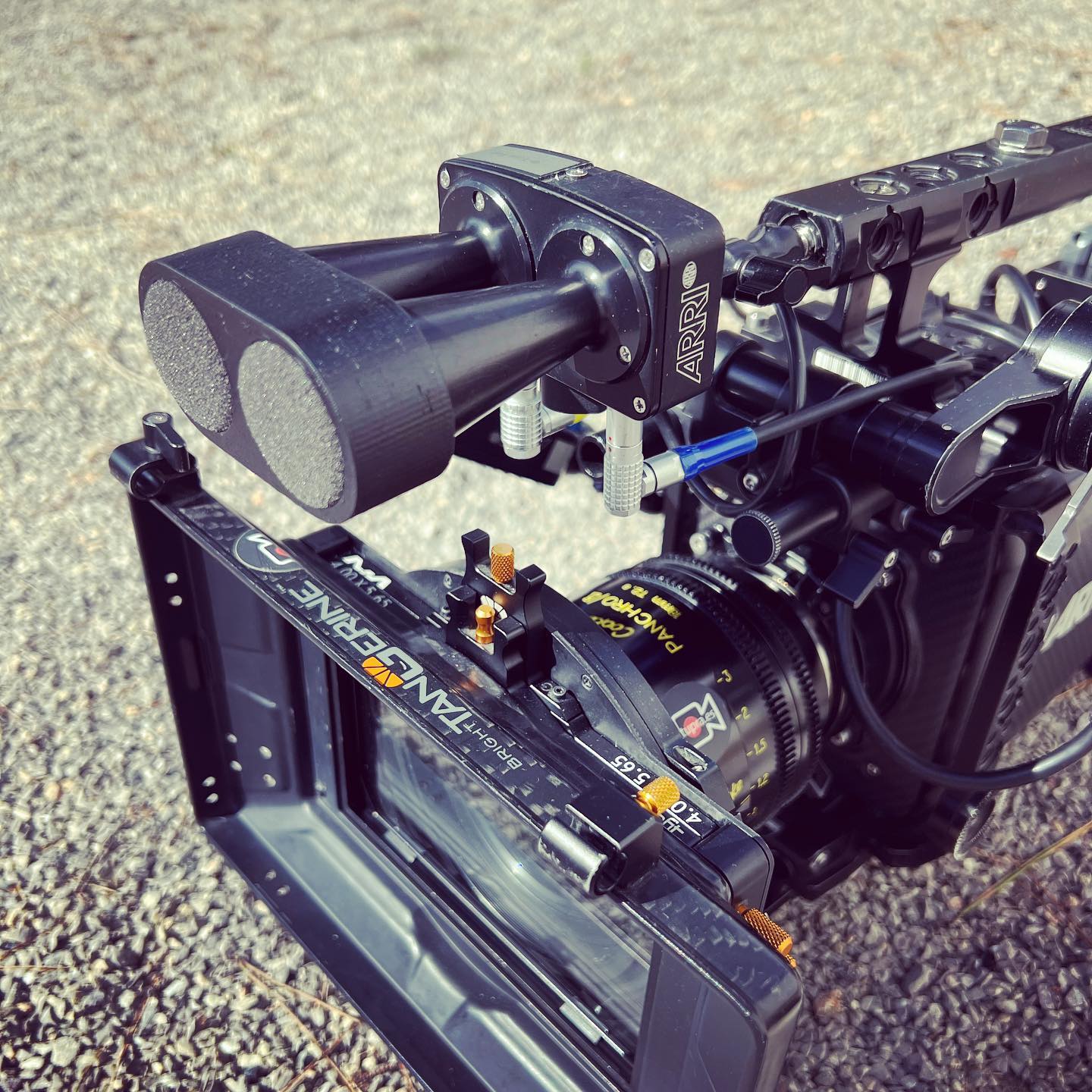
Pro-Mist: the effect has a strength
Diffusion can soften the impression of fine detail and spread bright highlights. Within the Pro-Mist family, Black Pro-Mist offers its own balance of halation and contrast. It is a creative choice, not a substitute for focus.
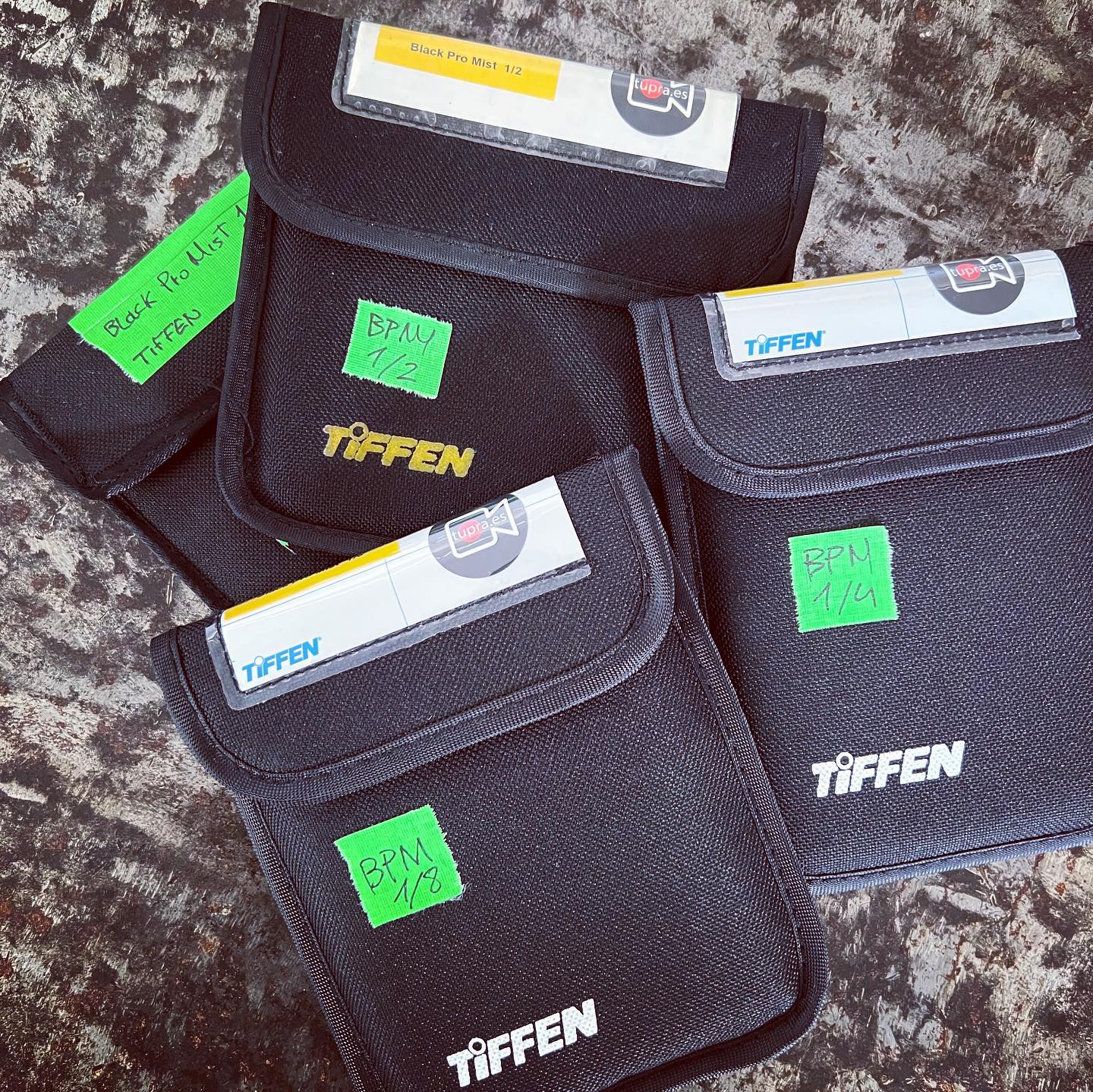
Grades such as 1/8, 1/4 and 1/2 describe increasing strengths within that family. A lighter grade can be subtle; a stronger one makes the effect more apparent. These numbers are not ND exposure values.
Glimmerglass: another character of diffusion
Glimmerglass is another option available at TUPRA. It can soften fine detail and give bright sources a gentle glow. Compare it with Pro-Mist on the face, background and practical lights you intend to photograph.
A grade is not a universal scale shared by all diffusion families. Lens, framing, lighting and bright sources also affect the result. A short comparison under relevant conditions is more useful than choosing by the number alone.
ND: control light, keep the chosen settings
Neutral-density filters reduce the light reaching the sensor, helping manage exposure while retaining the intended aperture and shutter settings.
Optical densities ND 0.3, 0.6 and 0.9 correspond to one, two and three stops. This is different from a diffusion grade: an ND is not intended to add a soft glow. Consider colour and infrared behaviour with the camera and filter combination.
RotaPola: rotate to control reflections
A RotaPola lets you rotate a polariser in a compatible matte-box tray. It can reduce certain reflections on glass or water and change how surfaces or skies appear. The effect depends on the relationship between camera, surface and light.
It does not remove every reflection. Watch the image while rotating it and allow for its effect on exposure. During a camera move, changing angles may also change the result.
TUPRA’s options include Pro-Mist, Glimmerglass, ND and RotaPola. We can discuss filters alongside camera equipment and local crew, with practical details resolved before your Ibiza shoot.